Jaipur’s Commuters Deserve Better
Report – By Srishti Ganar
When we hear the name “Jaipur”, we imagine a beautiful picture the pink city, royal palaces, colourful markets, clean streets, and a culture that blends heritage with modern life. But behind this beautiful image lies another side of the city that many people never notice. Jaipur is developing rapidly, but its public transport system has not kept pace with the city’s growth. This reality becomes clear when we observe the everyday struggle of thousands of commuters.
If development is truly happening, then why does travelling within the city still feel so difficult? Why does public transport resemble a daily challenge instead of a basic civic service? Every morning, citizens step out with hope, yet most return home tired, stressed, and unheard. In a city moving towards progress, daily travel should not feel like a burden.
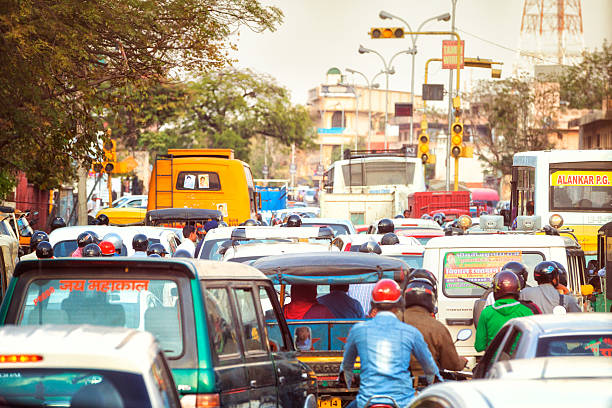
Many major roads in Jaipur remain broken, dusty, uneven, and filled with potholes. Waste and pollution in busy areas add to the discomfort. Public transport which should be the backbone of a growing city continues to be overcrowded, irregular, and insufficient. It is common to see people clinging onto autos and buses, simply trying to reach work, college, or home. This is not only inconvenient but also unsafe and unfair for those who rely heavily on city transport.
Whether it is extreme heat, winter fog or heavy rain, commuters are forced to travel in packed vehicles every single day. Students, office workers, labourers, women, and senior citizens all face the same difficulties. Daily commuting should not feel like punishment, yet this is the reality for many residents.
Transport data clearly highlights the mismatch between Jaipur’s needs and its available facilities. The city has over 40–45 lakh daily commuters, yet only around 400–450 city buses operate on the roads. A city of Jaipur’s size requires more than 1,200 buses to ensure smooth, reliable travel. Many routes have poor frequency, long waiting times, or are not operational at all. During peak hours, overcrowding becomes extreme, forcing people to travel in unsafe conditions. With public transport meeting only 35–40% of the daily demand, most commuters are compelled to depend on autos, private vehicles, or overcrowded options.
Jaipur was chosen for the Smart City project, yet smartness is not about status it is about service. A city becomes truly smart when its people feel supported, not stressed, especially in something as basic as daily travel.
For Jaipur to truly progress, this situation demands urgent and serious attention. Residents deserve safe, clean, and comfortable travel buses that arrive on time, well-maintained roads, and clean surroundings. Authorities must focus on increasing the number of buses, improving road infrastructure, ensuring women’s safety, maintaining cleanliness, and strengthening traffic and transport management.
A city becomes truly smart not through buildings or labels, but by making everyday life easier for its people. Jaipur’s commuters deserve better not in the future, but today.